.png)
.png)
What is STEAM Education?
.jpg)
Introduction
In today’s world, knowledge alone is no longer enough. Children need the ability to think, analyze, and solve problems independently. STEAM education is an approach that combines multiple disciplines into one learning process and helps children develop these skills from an early age. That is why more and more parents are becoming interested in this approach and its impact on child development. In this article, you will learn what STEAM education is, what its core principles are, and how it helps children better understand the world.
What is STEAM Education?
STEAM stands for Science, Technology, Engineering, Arts, and Mathematics. This approach combines these fields into a single learning process instead of teaching them separately. Children learn through hands on activities, solving tasks and exploring their environment. The focus is on thinking rather than memorizing correct answers. The goal of STEAM is to develop logical and creative thinking while helping children understand how things work in the real world.
Key Principles of STEAM
STEAM education is based on several core principles that support the development of thinking and understanding.
The first principle is learning through practical activity. Children learn by doing, not just by listening. Experiments, tasks, and hands on projects help them understand how things work and strengthen what they learn.
The second principle is an interdisciplinary approach. Subjects are not taught separately but combined into one process. A single activity can include mathematics, logical thinking, creativity, and the use of technology. This helps children see connections between different areas and build a broader understanding.
The third principle is problem solving. Children are encouraged to think, explore solutions, and try different approaches. The focus is not on finding one correct answer but on the process itself. This develops analytical thinking and decision making skills.
The fourth principle is creativity as part of learning. Art and imagination are integrated into technical activities. Children can experiment, create, and express themselves without fear of making mistakes. This builds confidence and interest in learning.
What Does STEAM Look Like in Everyday Life?
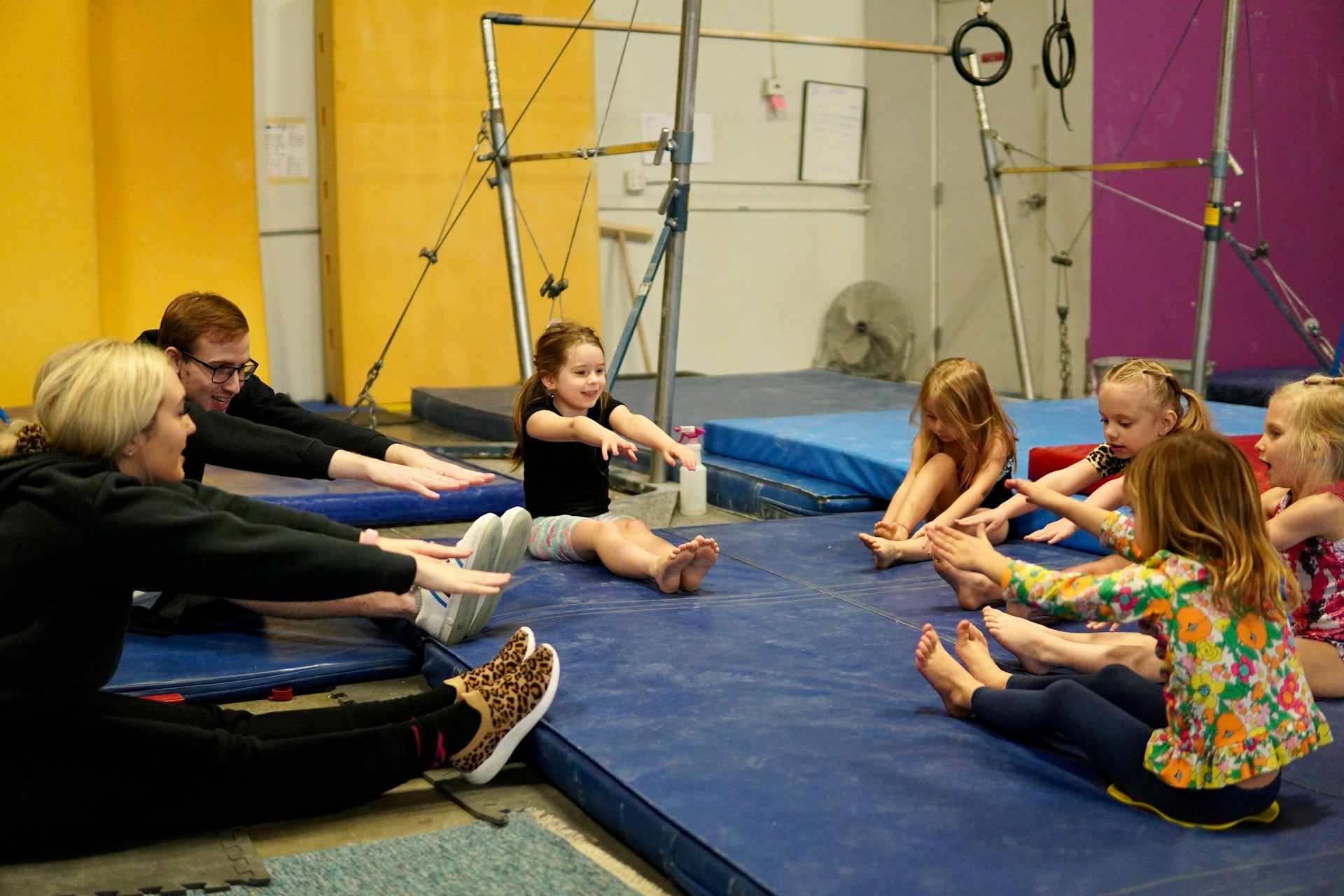
In everyday practice, STEAM is expressed through activities where children build, experiment, and analyze. They work both individually and in groups, developing independence and cooperation. The teacher acts as a guide and support, helping the child reach solutions.
In practice, this includes simple experiments, robotics, building structures, and creative tasks. Children learn through experience by trying and analyzing results. A structured environment helps them stay focused and fully engaged in the process.
How Does STEAM Help a Child?
STEAM education helps children develop logical and critical thinking by encouraging them to analyze situations and understand cause and effect. Through problem solving and experimentation, children learn to find multiple solutions and think independently. This approach also supports creativity, allowing children to express ideas and create their own solutions.
Working with others improves communication and teamwork skills. STEAM encourages curiosity about the world and technology, creating a natural desire to explore and learn. It helps children become more confident and prepared for future learning.
Is STEAM Suitable for Every Child?
STEAM is suitable for most children because it is based on natural curiosity and active learning. It is especially beneficial for children who enjoy exploring, experimenting, and staying active.
However, the name of the approach is not the most important factor. The environment and the attitude of educators play a key role. A well structured setting and supportive guidance ensure that children can fully benefit from this approach.
Conclusion
STEAM helps children understand how the world works and develop skills that will be important in the future. It supports thinking, creativity, and a genuine interest in learning. To understand if this approach is the right fit, it is best for parents to explore the environment and experience it in person.
Book a visit and get to know ELMA in person
Tell us about your child and current needs. Let's help you understand how everyday life, reception and the adaptation process take place.
Other articles on child development
Read more about child development, the preschool environment, and approaches that help your child grow up safe and confident.