.png)
.png)
A Child’s Physical Development for Healthy Growth
Introduction
Physical development is one of the most important foundations of a child’s overall growth. It affects not only the body but also thinking, emotional well being, and the ability to learn. However, it is often given less attention than academic skills. Movement helps children concentrate better, feel calmer, and build confidence. In this article, you will learn why physical development is so important, which skills are essential for a child, and how movement supports everyday learning.
Why is Physical Development So Important?
Movement is closely connected to brain development. When a child moves, different brain processes are activated, supporting thinking and perception. Physical activity improves coordination, balance, and posture, which are important in both daily activities and learning.
Movement also helps children regulate their emotions. Active play reduces tension and helps them cope with challenges more effectively. When movement is a natural part of everyday life, children feel more secure and balanced. That is why physical activity should not be limited to separate sessions but should be a regular and essential part of the day.
Key Physical Skills for a Child
A child’s physical development includes several interconnected skills that form a strong foundation for future growth.
Gross motor skills include movements such as running, jumping, and maintaining balance. These skills help children gain control over their bodies and improve coordination. Well developed gross motor skills allow children to move confidently and participate in various activities.
Fine motor skills involve hand movements, grip, and precision. They are essential for everyday tasks such as drawing, eating, and later writing. Developing fine motor skills increases accuracy and independence.
Posture and body stability are essential for both movement and concentration. A strong and stable body helps children stay focused for longer periods and feel comfortable in different situations. Proper posture also supports the learning process.
Coordination and rhythm help children connect different movements into a smooth flow. Rhythm and body awareness improve control and understanding of movement, supporting both physical and emotional balance.
What Does Physical Development Look Like in Everyday Life?
Physical development is built through regular movement that becomes a natural part of the daily routine. It is not limited to specific activities but continues throughout the day. Children move both indoors and outdoors, combining active play with structured activities.
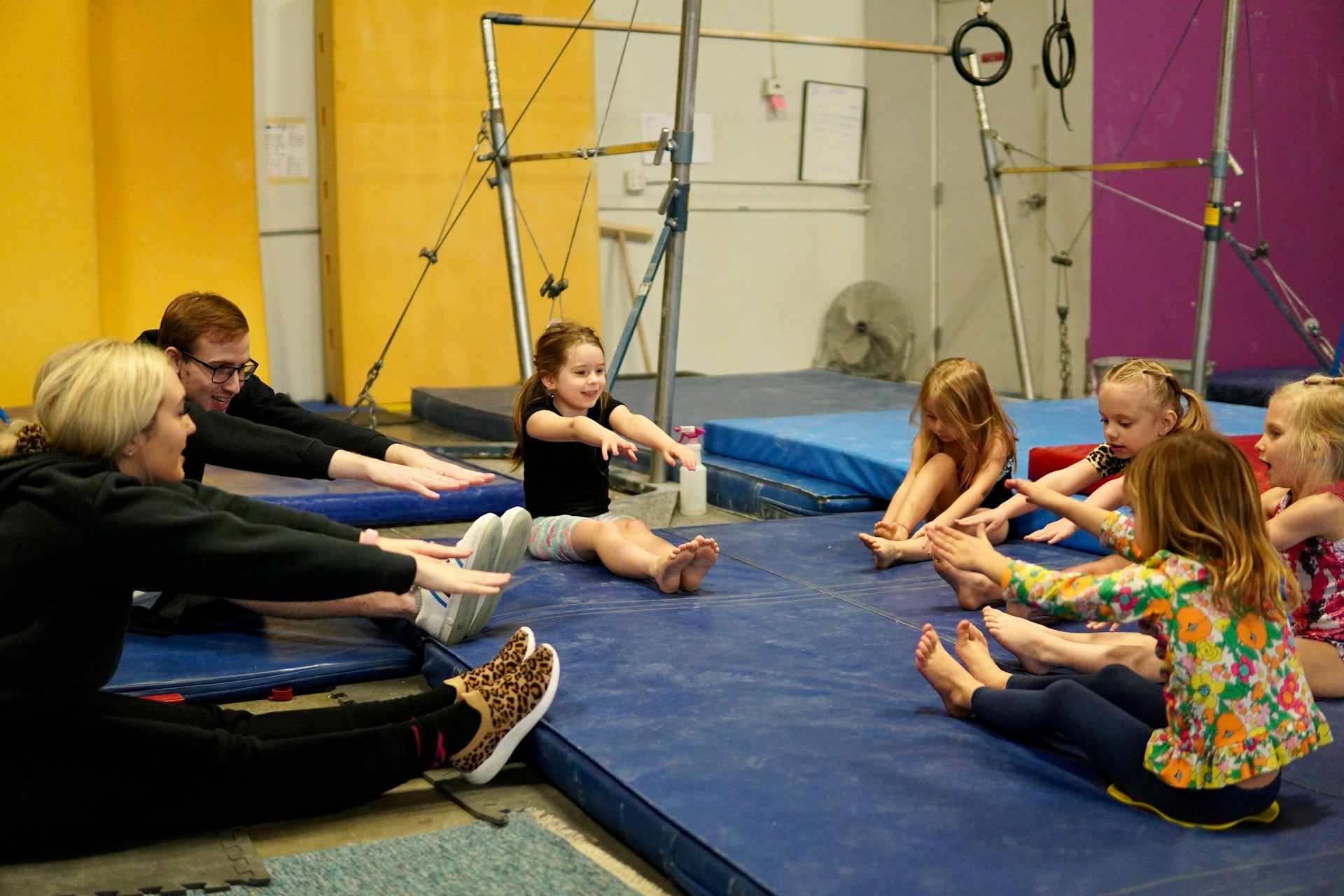
In everyday life, this includes outdoor play where children run, climb, balance, and explore their environment. Access to a yard and fresh air supports endurance and physical skills. Indoors, movement is supported through structured activities such as rhythm exercises and sports, which improve coordination, posture, and body control.
Free movement is also important. Children choose how to move and explore on their own. Creative activities that involve movement combine physical development with imagination and self expression. A balance between structure and freedom supports well rounded development.
How Does Physical Readiness Help a Child?
Strong physical readiness directly affects a child’s ability to concentrate and learn. When the body is developed and movements are coordinated, it becomes easier to stay focused and engaged in activities. Physical activity also helps regulate emotions, reducing tension and restlessness.
Children who feel comfortable in their bodies are more confident in their abilities. This encourages them to participate in new activities and try new things. Physical development also supports learning, as movement and thinking are closely connected. The more a child moves, the easier it becomes to process and understand information.
Common Mistakes and What to Pay Attention To
One of the most common mistakes is not providing enough movement in daily life. Without regular activity, both physical and emotional development can be affected. Another issue is placing too much emphasis on sitting still, which does not match a child’s natural needs.
Irregular activity does not support consistent development, so it is important to ensure movement every day. The environment also plays a key role. If it does not allow children to move freely, development is limited. A well designed environment encourages natural and safe movement.
Conclusion
Physical development is the foundation of a child’s overall growth. Movement supports both the body and the mind, creating a strong base for learning and well being. Parents should pay attention to a child’s daily routine and environment to ensure enough high quality movement.
Book a visit and get to know ELMA in person
Tell us about your child and current needs. Let's help you understand how everyday life, reception and the adaptation process take place.
Other articles on child development
Read more about child development, the preschool environment, and approaches that help your child grow up safe and confident.

.jpg)